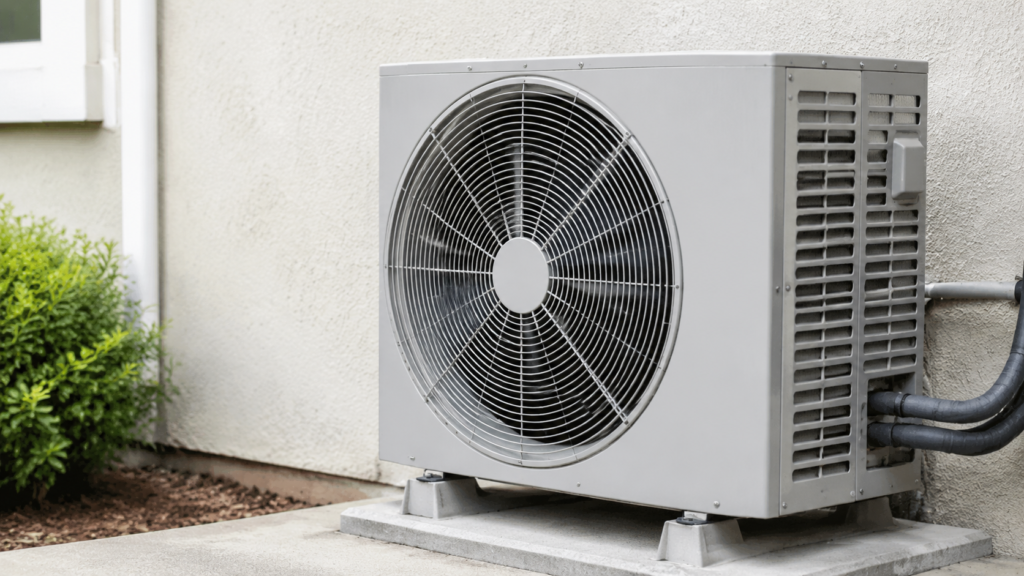

HVAC systems are essential for maintaining comfort in homes and businesses, especially in regions with extreme temperatures. However, like any mechanical system, HVAC units are prone to various issues that can affect performance, efficiency, and comfort. While some problems may be minor, others can lead to costly repairs or system failure if not addressed promptly. Regular maintenance and understanding common HVAC issues are key to preventing unnecessary downtime. In this article, we’ll explore some of the most common HVAC service issues and provide practical tips for preventing them.
HVAC Service Challenges
- Addressing Poor Airflow and Reduced Efficiency
One of the most common HVAC problems homeowners experience is reduced airflow. When airflow decreases, the system has to work harder to cool or heat a space, leading to increased energy consumption and wear on the system. The most common causes of poor airflow are clogged filters, blocked vents, and damaged ducts. A dirty air filter is one of the easiest culprits to fix—by simply replacing it on a regular schedule, typically every 1-3 months, you can prevent airflow issues. Blocked vents, whether from furniture, rugs, or debris, can restrict airflow as well. Ensuring that vents are clear and unobstructed is essential for optimal performance.
Additionally, ductwork that is improperly sealed or has holes can allow air to escape before it reaches its destination. Leaky ducts should be repaired immediately to avoid wasted energy. Homeowners can also benefit from consulting professional services, such as Tucson plumbing solutions from Semper Fi Heating and Cooling, to ensure that duct systems are intact and well-maintained. Regular checks and simple fixes can help prevent airflow issues and boost system efficiency.
- Thermostat Problems and Inaccurate Readings
Thermostats play a crucial role in regulating temperature and controlling when your HVAC system kicks on and off. Over time, thermostats can become faulty or inaccurate, leading to temperature imbalances and wasted energy. One common issue is inaccurate readings, which can cause the system to heat or cool the home more than necessary. This issue often arises when the thermostat is installed in an area with direct sunlight, drafts, or heat sources, like near windows or lamps. If the thermostat doesn’t get a correct reading, it may cause the system to work harder than necessary, leading to higher energy bills. If you notice that your home is not staying at the desired temperature or your thermostat settings are constantly off, it might be time for a replacement or recalibration. To prevent this, always ensure your thermostat is installed in an ideal location, away from external influences, and replace it if it malfunctions. In addition, consider upgrading to a smart thermostat that automatically adjusts to your lifestyle and weather conditions, further improving energy efficiency.
- Refrigerant Leaks and Cooling Failure
Refrigerant is a critical component of an HVAC system, as it absorbs and releases heat to cool the air. If the refrigerant levels drop, the system will struggle to cool the air effectively, leading to increased energy use and poor performance. A refrigerant leak can be difficult to detect without professional help, as the refrigerant is often contained within closed coils or pipes. Low refrigerant levels often cause the coils to freeze, blocking airflow and reducing the system’s ability to cool. If left unchecked, this issue can cause significant damage to the compressor, which is one of the most expensive components of the system. To prevent refrigerant problems, ensure that your system is regularly maintained and inspected by a qualified technician. Regular checks can identify leaks early and allow repairs before a complete system failure occurs. Keeping the refrigerant at the appropriate levels is crucial to maintaining the system’s cooling efficiency and avoiding costly repairs down the road.
- Frozen Coils and Excessive Ice Build-Up
Another common issue HVAC systems face is coil freezing, which typically occurs when airflow is restricted or there is a refrigerant leak. When ice builds up on the evaporator coils, the system can no longer absorb heat properly, leading to poor cooling performance. Over time, the ice can damage the coils, resulting in system failure. To prevent frozen coils, it’s important to ensure that the air filter is clean and that airflow is not obstructed. You should also keep the system’s coils clean and free from dust and dirt. Regular inspections and maintenance can catch early signs of coil freezing, such as reduced cooling output or dripping water. If you notice ice buildup, it’s best to turn off the system and have it serviced before the problem worsens. Timely attention can prevent costly damage and restore your HVAC system’s functionality.
Protect Your HVAC System with Regular Maintenance
HVAC systems are complex, and many issues can arise over time due to wear and tear. Common problems such as poor airflow, inaccurate thermostats, refrigerant leaks, frozen coils, and dirty components can all impact system performance and lead to higher energy costs. However, most of these issues can be prevented with regular maintenance and prompt attention to small problems. By scheduling regular inspections, cleaning components, and addressing any issues early, homeowners can keep their HVAC systems running smoothly and efficiently for years to come. Whether it’s adjusting thermostat settings, sealing ducts, or checking refrigerant levels, simple preventative measures can help avoid major breakdowns and costly repairs. Regular care will ensure your HVAC system provides reliable comfort year-round.